 FibroCeram Materials
FibroCeram Materials
FibroCeram Materials
In today's industrial landscape, optimizing energy-saving efficiency in high-temperature processes is crucial. These processes consume significant energy, leading to high operational costs. Industries must seek effective strategies to reduce energy consumption while maintaining performance.
High-temperature processes often involve complex systems, making optimization challenging. Understanding the dynamics of heat transfer and energy conversion can help identify key areas for improvement. For example, insulation materials play a critical role in minimizing heat loss. Choosing the right materials can lead to substantial energy savings.
Moreover, implementing advanced monitoring technologies enhances efficiency. Real-time data allows for better decision-making regarding energy use. However, many industries still fall short in leveraging these technologies. A proactive approach is essential for continuous improvement and sustainability.
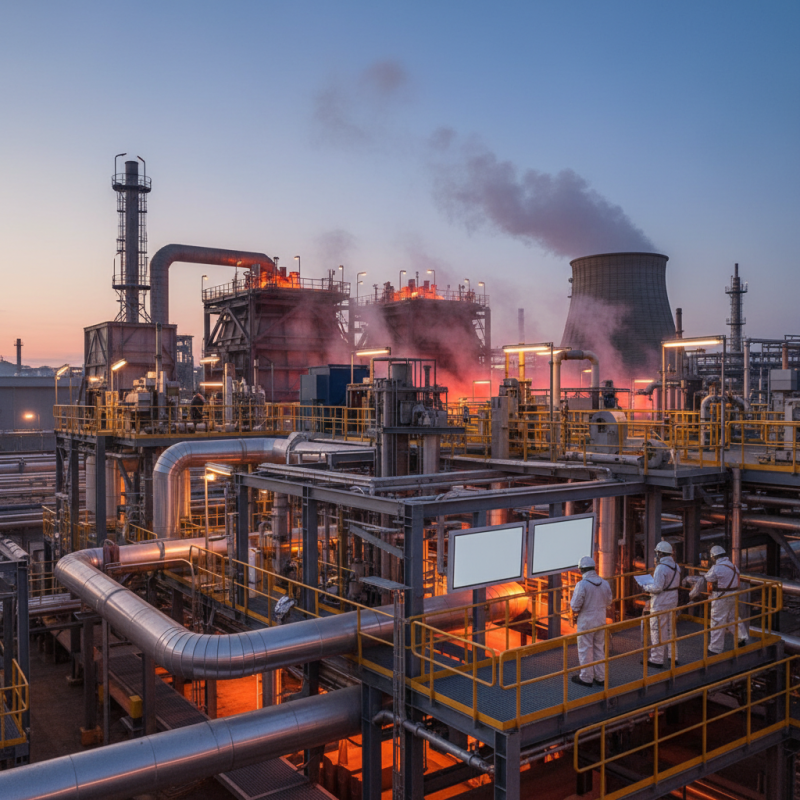
High temperature processes are essential in various industries, from metallurgy to ceramics. However, these processes often consume significant energy, leading to increased operational costs and environmental impact. Understanding the energy dynamics involved is crucial for optimizing efficiency.
High temperature processes typically involve heating materials to extreme levels. This requires substantial energy input, often leading to wastage. Insulation, for example, can be a game-changer. Proper insulation reduces heat loss, minimizing energy use. It’s essential to regularly inspect and maintain these insulating materials to ensure their effectiveness over time.
Tips: Always monitor the energy consumption patterns. Identify peaks and troughs in energy use. This can help in pinpointing areas where improvements are necessary. Moreover, consider upgrading equipment to more energy-efficient models that can operate effectively at high temperatures.
Another area for improvement is process control. Implementing automation can enhance precision in maintenance of temperature settings. This reduces energy spikes caused by fluctuations. Careful management of raw materials can also contribute to significant energy savings. Selecting materials that require less energy for processing can yield both cost and environmental benefits.
| Process Type | Typical Operating Temperature (°C) | Energy Consumption (kWh/t) | Optimization Techniques | Expected Energy Savings (%) |
|---|---|---|---|---|
| Ceramic Firing | 1200-1400 | 900 | Heat Recovery Systems, Insulation Improvement | 15% |
| Metal Smelting | 1000-1600 | 1200 | Advanced Control Systems, Process Integration | 20% |
| Glass Melting | 1400-1600 | 1100 | Regenerative Furnaces, Burners Optimization | 25% |
| Cement Production | 1400-1600 | 800 | Kiln Optimization, Alternative Fuels | 30% |
| Oil Refining | 350-600 | 400 | Heat Integration, Catalytic Cracking Improvements | 18% |
: Start by assessing heat recovery systems to recover exhaust heat. This reduces energy demands significantly.
Optimizing equipment performance is crucial. Regular maintenance checks can reveal inefficiencies like faulty components.
Workers trained in energy-saving practices can reduce waste. Awareness can lead to more mindful operation over time.
In some sectors, industrial heating can consume up to 70% of total energy. This highlights the need for energy efficiency.
Regular monitoring helps track temperature settings and insulation integrity, which can reduce consumption by 20-30%.
Renewable sources like solar and wind can be intermittent. Consistent energy supply is a significant challenge.
Although they may seem costly, investing in monitoring tools can lead to long-term savings on energy costs.
Biomass uses organic materials as fuel. This reduces reliance on fossil fuels, but it often requires careful evaluation.
Each renewable source has unique challenges and conditions. A thorough assessment is necessary for successful integration.
Many facilities lack real-time assessment tools. This is an area needing improvement for maximum efficiency.
In the realm of industrial operations, optimizing energy-saving efficiency in high-temperature processes is paramount for both economic and environmental sustainability. A thorough understanding of these processes and their associated energy consumption lays the groundwork for identifying key opportunities for energy savings. By employing advanced technologies designed for high-temperature conditions, industries can significantly improve their energy efficiency.
Furthermore, implementing best practices for monitoring and managing energy use within heating systems is critical to ensuring that energy savings are sustained over time. Evaluating the potential integration of renewable energy sources also presents a viable pathway to further enhance energy efficiency in high-temperature applications, thereby contributing to a more sustainable operational framework.
