FibroCeram Materials
FibroCeram Materials
FibroCeram Materials
Explore our core selection of high-purity alumina-silicate insulation fibers, textiles, and vacuum-formed components engineered for extreme environments.
The global demand for high-performance refractory insulation has experienced a profound shift over the past decade. With the rapid expansion of heavy industries like metallurgy, petrochemical processing, and waste-to-energy conversion, manufacturers require materials that offer not just thermal resistance, but dynamic energy savings. Under the strict environmental oversight of global decarbonization frameworks, industrial operations are under immense pressure to reduce energy dissipation in high-temperature processes.
As a leading authority in thermal management, Henan FibroCeram Advanced Materials Co., Ltd. (historically recognized as Titan New Material) stands at the intersection of material science and mechanical reliability. By designing lightweight ceramic fiber insulation boards, blankets, and modules, we help plants reduce their carbon footprint while drastically minimizing heat storage. Our manufacturing processes utilize raw materials of the highest purity to synthesize fibers that resist crystallization and chemical degradation even under continuous high-temperature exposure.
Today, the transition from traditional dense refractory bricks to lightweight ceramic fiber linings is saving processing plants up to 30% in energy expenses. This optimization increases furnace thermal efficiency, speeds up firing cycles, and enhances safety metrics, making ceramic fibers the standard choice for modern thermal installations worldwide.
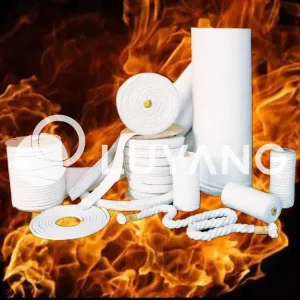
Engineered by Henan FibroCeram, our product lines are classified according to strict temperature tolerances, densities, and physical dimensions to match precise design requirements.
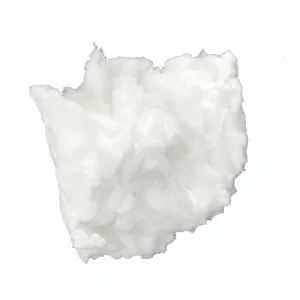
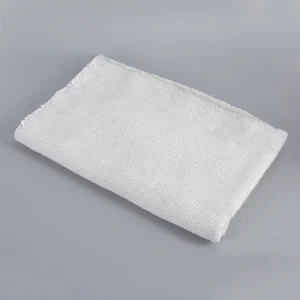
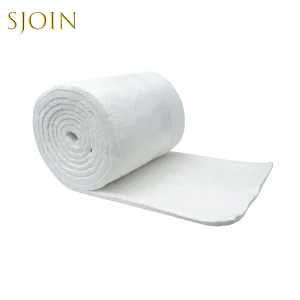
Double-needled structured blankets featuring exceptional tensile strength and flexibility for critical linings and wrapping applications.
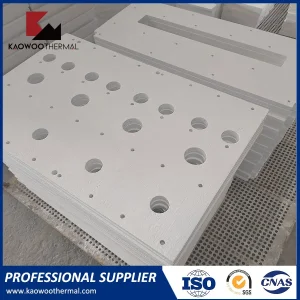
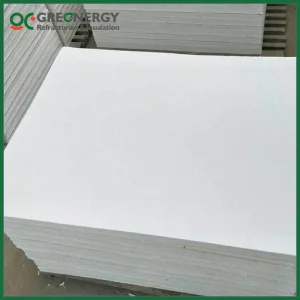
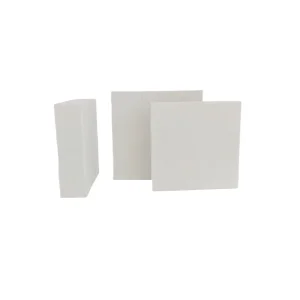
Rigid thermal barrier panels manufactured using vacuum forming technology to resist gas velocity and physical erosion.
Uniform, flexible sheets processed with organic binders for high-dielectric properties, clean cutting, and intricate gasketing.
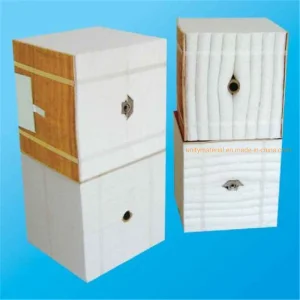
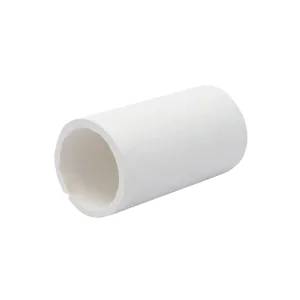
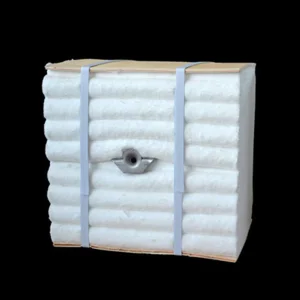
Prefabricated modular units featuring pre-compressed construction designed for rapid installation and tight thermal sealing.
Our premium ceramic fiber materials are engineered to support major industries, driving thermal efficiency and structural integrity in critical processing units.

Providing custom thermal insulation linings for regenerative thermal oxidizers (RTOs), shuttle kilns, complex rotary kilns, rolling hearth furnaces, and high-precision muffle furnaces.
Engineering robust lining systems optimized for moveable kilns, automated tunnel kilns, and structural fireclay systems, ensuring minimal structural heat loss during operation.

Delivering high-efficiency, non-toxic, and heat-retaining ceramic fiber back-up boards and blankets for commercial baking and outdoor pizza ovens to maintain consistent temperatures.
Deploying specialized refractory fibers to resist intense heat in ladle covers, soaking pit covers, reheat furnaces, annealing furnaces, and high-temperature piping runs.
Supplying high-density, fireproof ceramic fiber blankets specifically manufactured to fit inner cavities of fireproof doors, protecting human life and assets during emergency events.

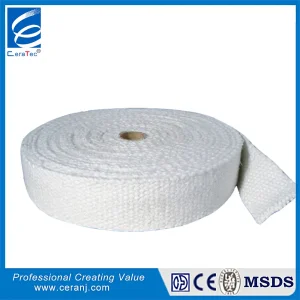
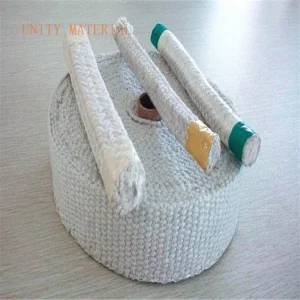
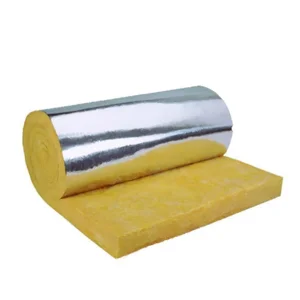
Providing specialized ceramic fiber wraps, high-temperature tapes, and rock wool hybrid systems to protect extensive steam pipelines and hot petrochemical transfer lines.
The high-temperature refractory landscape is changing rapidly. Environmental considerations, biological safety, and maximum heat containment dictate the development of new material formulas. Henan FibroCeram is leading this change through active R&D partnerships, advanced melt-blowing equipment updates, and customized formulation modifications.
Our development path focuses on three main objectives: increasing mechanical resistance against fast gas streams, reducing shot (unfiberized particles) to improve thermal conductivity, and promoting bio-soluble, environmentally friendly fiber solutions.
By using advanced crystalline control agents and raw materials with low iron content, we are extending the operational lifespan of furnace linings. This minimizes maintenance downtime and lowers overall operating costs for our partners worldwide.
Developing eco-friendly refractory compositions with high physiological solubility, reducing health hazards while maintaining stability up to 1200°C.
Upgrading centrifuge blowing systems to reduce shot content to below 5%, maximizing thermal containment efficiency per unit of thickness.
Scaling up production of high-performance Al2O3 crystalline fibers suitable for severe chemical environments and continuous temperatures up to 1600°C.
Crucial engineering and procurement answers regarding application, storage, and material selection criteria.
Ceramic fiber refractory is significantly lighter (typically 1/10th the weight of refractory brick) and has extremely low thermal conductivity and low heat storage capacity. This allows industrial furnaces to heat up and cool down much faster, saving up to 30% in fuel costs, reducing wear on furnace support steelwork, and offering exceptional thermal shock resistance.
The base composition relies on high-purity Alumina (Al2O3) and Silica (SiO2). For standard 1260°C applications, a roughly equal ratio is used. To raise the continuous temperature limits (up to 1430°C), manufacturers introduce high-purity Zirconia (ZrO2), which stabilizes the silica structure and prevents rapid crystalline transformation (devitrification) at high thermal thresholds.
Yes, ceramic fiber blankets and modules can be exposed to direct flame. However, for high gas velocities (such as in burner outlets or exhaust ducts), standard blankets may suffer fiber erosion. In these environments, high-density vacuum-formed shapes, rigid boards, or pre-compressed modules are recommended, as they possess the mechanical strength to resist gas shear forces.
"Shot" refers to the unfiberized spherical glass particles left over from the manufacturing melt process. High shot content increases the bulk density of the material without contributing to thermal insulation, effectively reducing thermal efficiency. Lower shot content (preferably under 8-10%) ensures a more uniform fiber structure and better thermal performance.
Organic binders are added during wet vacuum forming processes to give structural strength and flexibility during handling and cutting. When the furnace is heated for the first time (typically starting at 150°C-300°C), these organic binders burn out. This can cause temporary smoke, but it leaves behind a pure inorganic refractory structure that is completely fireproof.
Ceramic fiber materials must be stored in a dry, ventilated, and weather-protected environment. Exposure to moisture or direct water ruins the physical structure of materials like papers and boards, and it significantly increases the weight of blankets, which compromises their thermal performance until they are completely dried out.
Explore our industrial-grade refractory textiles, bio-soluble fibers, high-density modules, and furnace rollers designed for rigorous operational environments.